Understand what a site assessment checks
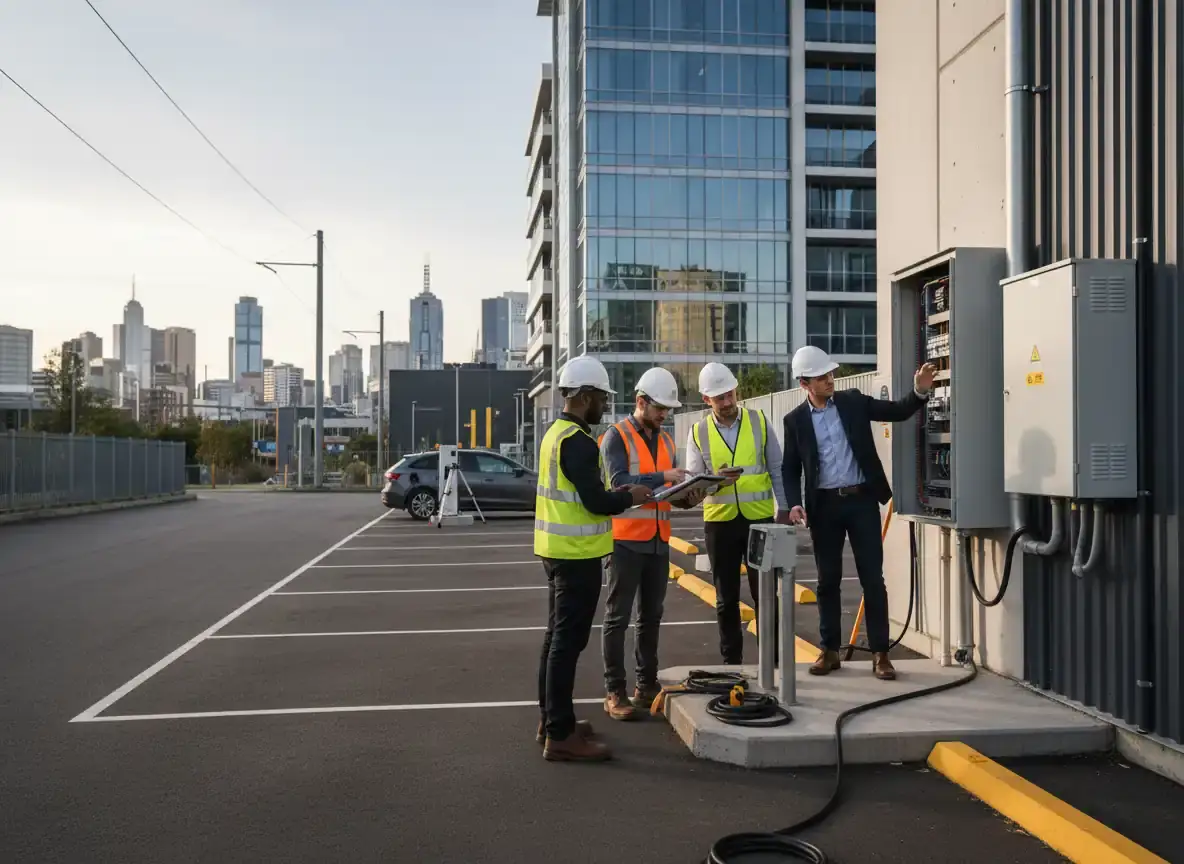
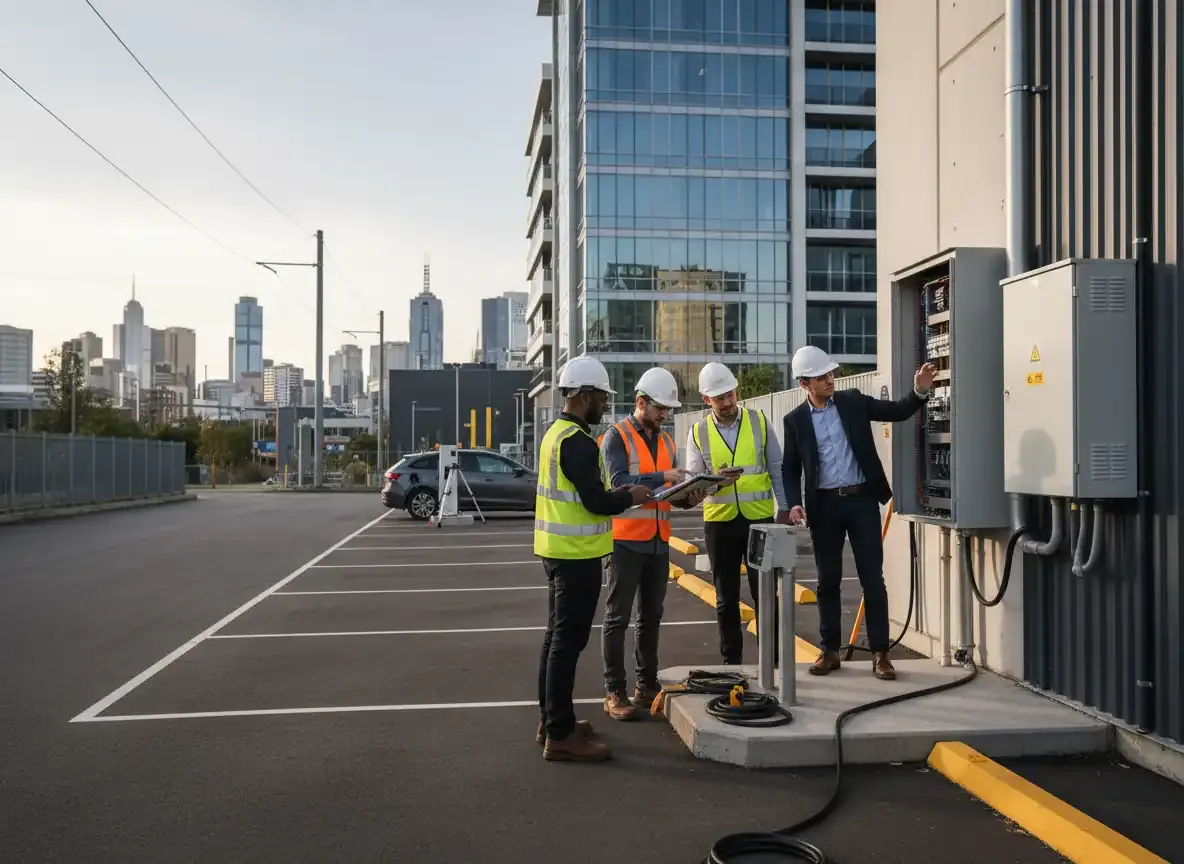
A site assessment is the visit that comes before a quote. The electrician confirms your supply type, whether the switchboard has room and capacity for a dedicated circuit, the cable route to the parking spot, and a solid wall or post for mounting. Those findings set the scope every quote should price.
Who gains most from an assessment first
People holding two or three quotes that read nothing alike, and owners who have not yet picked a charger, get the most from it. Knowing your supply and board capacity first means you choose a charger that suits the home rather than one the home has to be rebuilt around.
Why uneven quotes make a site check worth it
One quote may assume a short run beside the board while another allows for a board upgrade and a long run through the roof space. Neither is wrong; they priced different jobs. An assessment fixes the job description, so the differences left are price and product, not guesswork.
Cable route, mounting and heritage questions
The route is often the biggest variable: roof cavity, underfloor, external wall or a trench to a detached carport. Mounting needs a sturdy surface clear of car doors. In older suburbs a heritage overlay may limit visible equipment, and parking that takes water in heavy rain may call for a higher mount.
How quotes should line up after the assessment
A comparable quote names the charger model, the circuit and cable size, the route, any switchboard work, and the certificate of electrical safety the installing electrician must give you. Where the work is prescribed, an independent inspection is also needed before it is energised. Ask about anything missing.
Contact details that make the assessment quicker
You can request a quote here and a licensed and insured local contractor can follow up. Have your suburb ready, mark where the car sits overnight, and note any heritage overlay or wet parking area. If the switchboard is easy to reach, snap it with the door open.
What ev charger site assessment can cover
Attached garage or carport
The charger sits on a wall of the house, so the route is usually through the roof cavity, underfloor or along an external wall.
Detached garage or rear parking
A longer route that may need trenching or overhead cabling, so the run length and cable size are checked closely.