Start with how you park and charge
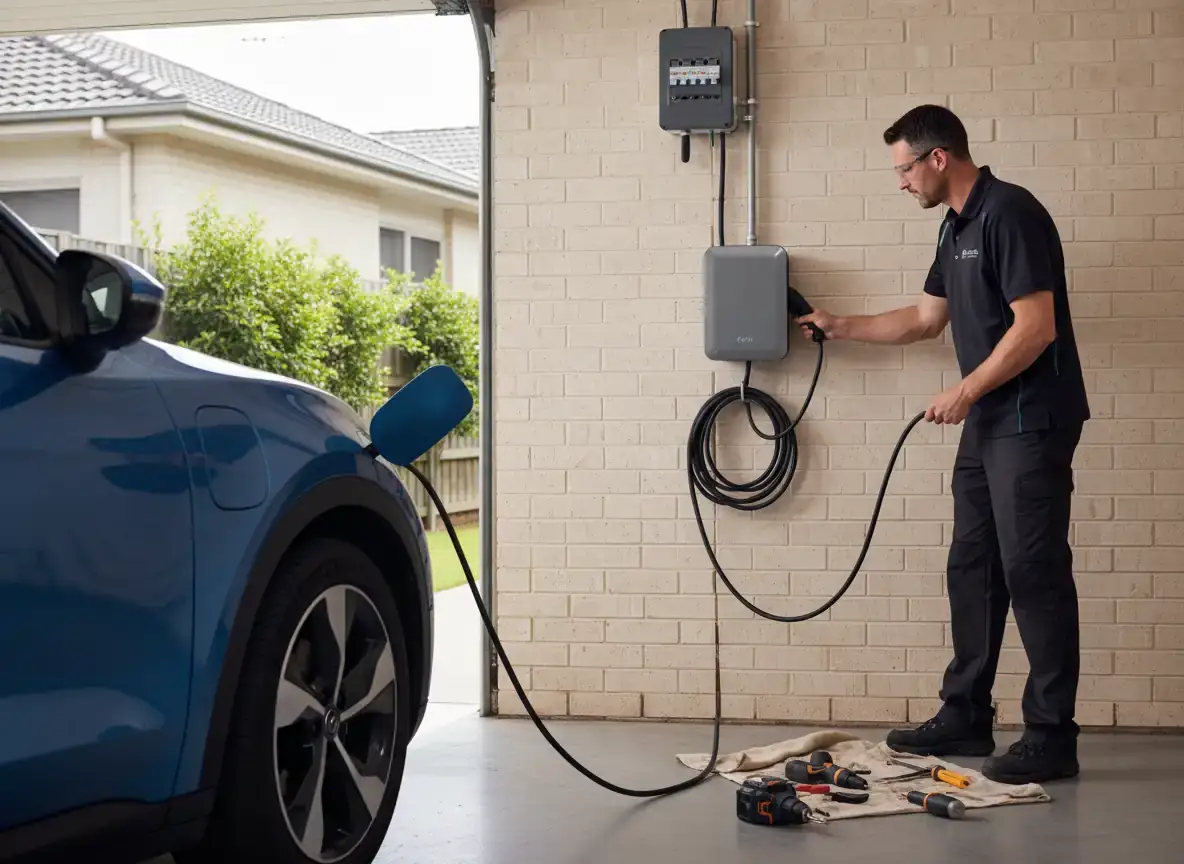
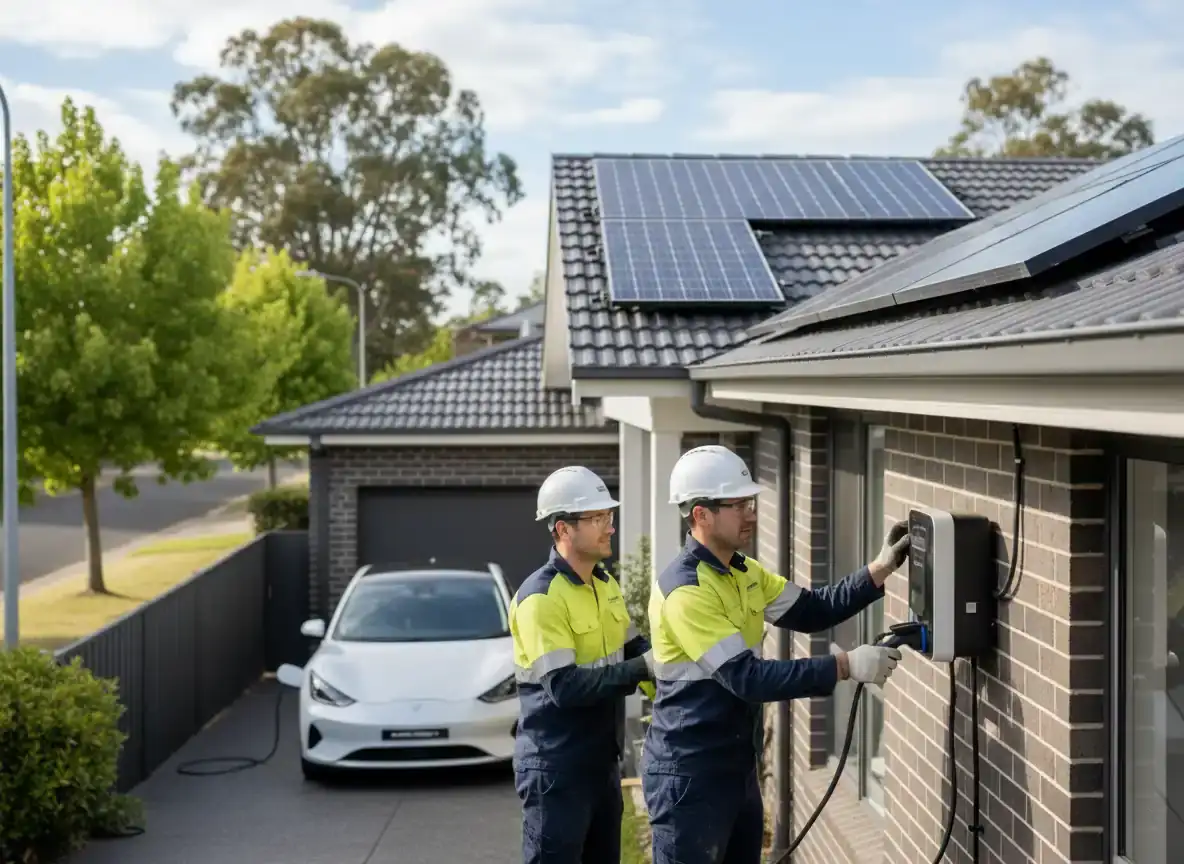
Think about where the car sits overnight and how far you drive in a typical week. A garage or carport close to the switchboard is the simplest case for a home EV charger installation. A long cable run, a detached garage or parking in a shared basement changes the scope and is worth flagging early.
Single-phase or three-phase supply
Most Melbourne houses run on single-phase power, which handles a standard wall charger well. Some homes, particularly larger or newer builds, already have three-phase supply. Three-phase EV charger installation can deliver faster charging, but only if the car can accept it and the supply is genuinely three-phase. Your meter box or a recent electricity bill can help you check.
When the switchboard needs attention first
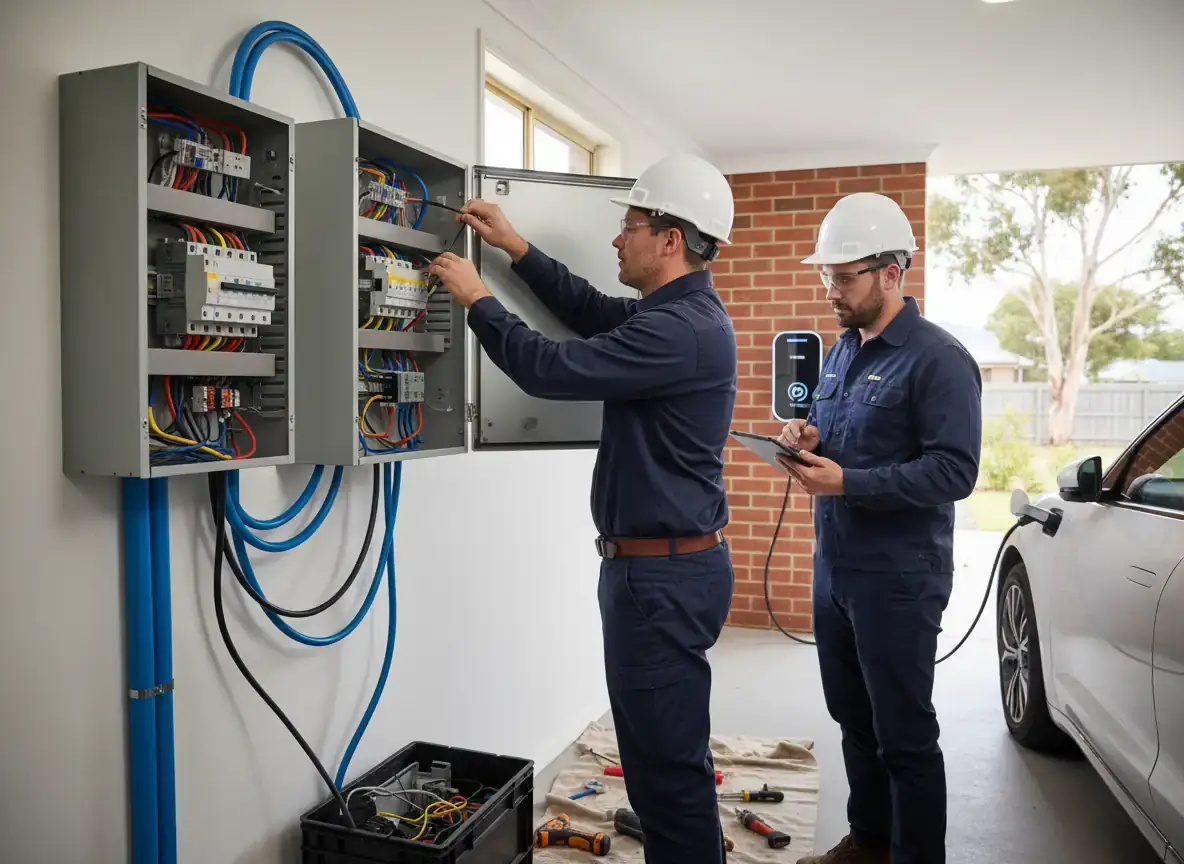
An older board with ceramic fuses, no spare space or no safety switches may not take a dedicated charger circuit as it is. In that case an EV switchboard upgrade is often done together with the charger. Ask for both to be quoted together so you can compare the full job rather than just the charger.
Brand-specific and solar setups
Tesla Wall Connector installation
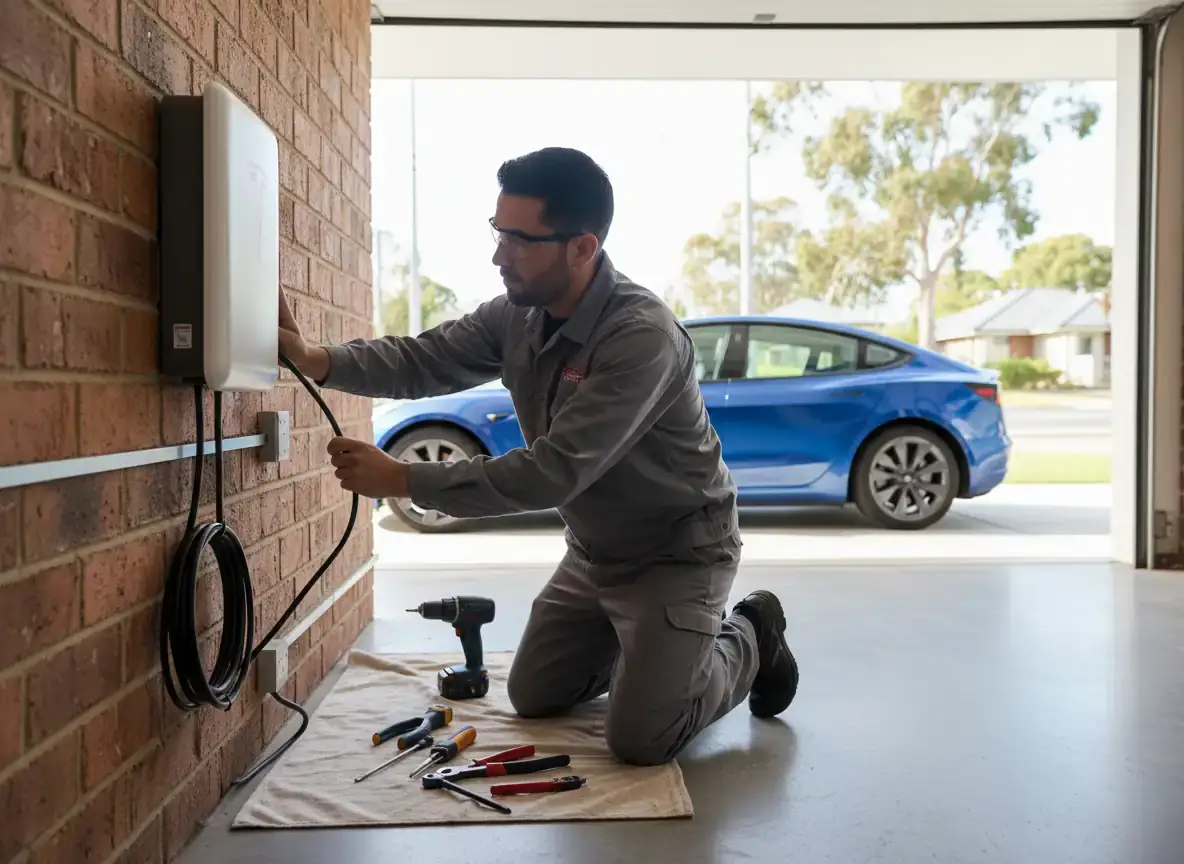
Tesla owners often choose the Wall Connector because it pairs with the car's app and settings. It can also charge other EVs with a compatible plug, so it is worth considering even in a household with more than one brand.
Solar EV charger installation
If you already have rooftop panels, a solar-aware charger can soak up daytime surplus instead of exporting it. This suits people who are home during the day or work from home. Note your inverter brand and system size so the charger options can be matched to it.
Apartments and townhouses with shared parking
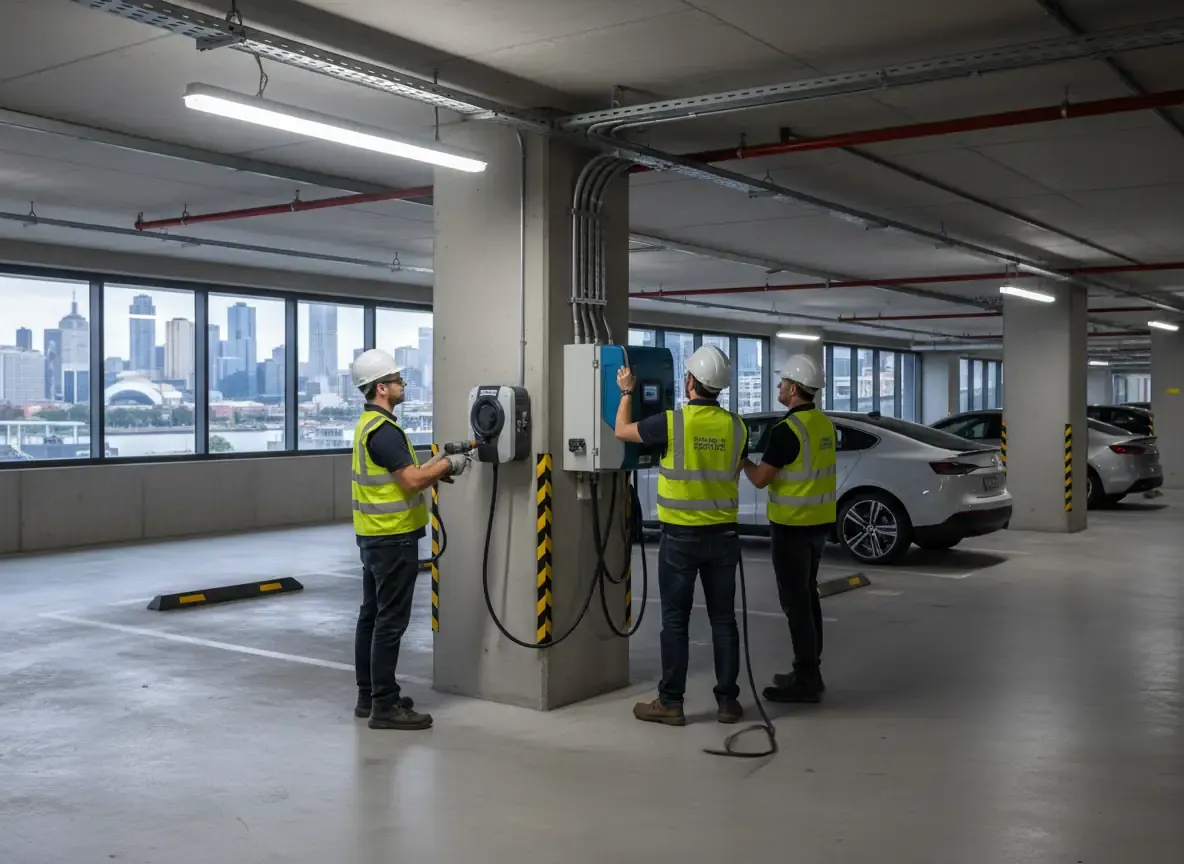
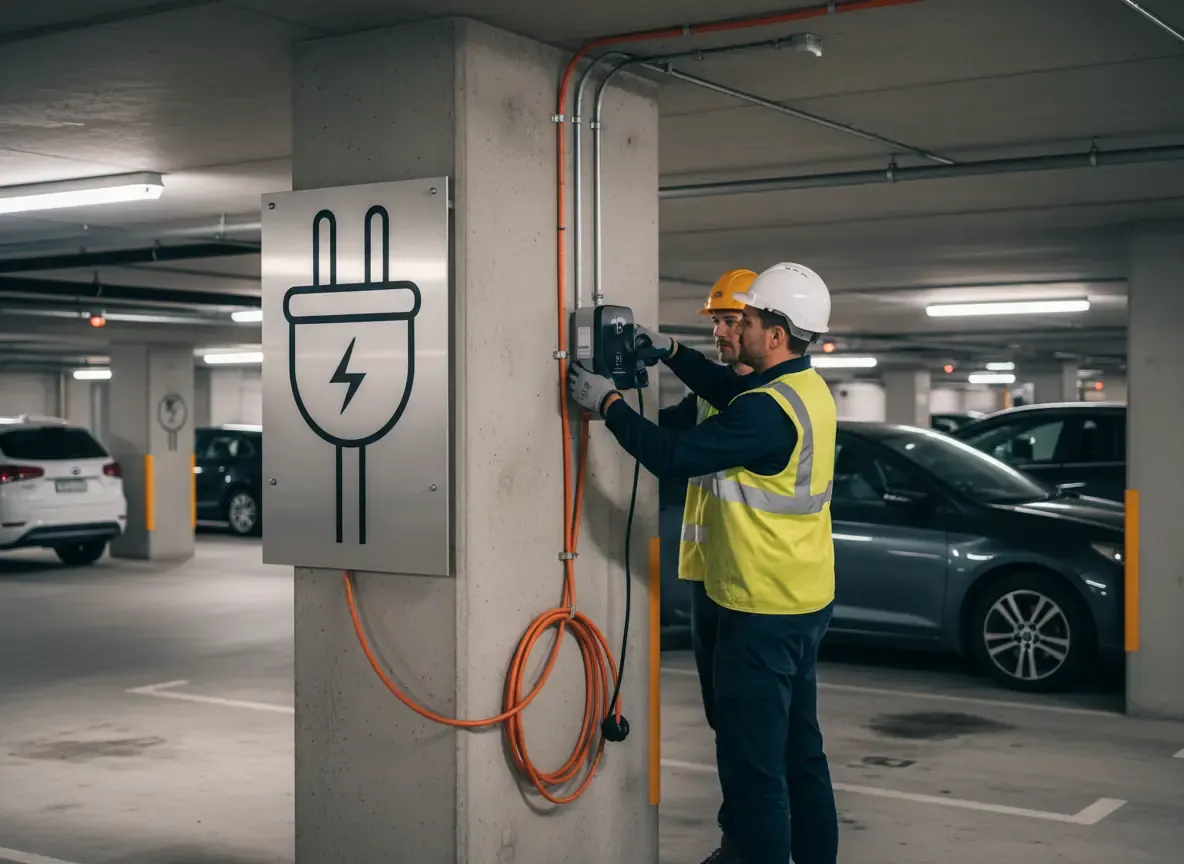
Apartment EV charger installation brings extra steps, such as working out which meter the charger connects to and getting agreement from the owners corporation for work in common areas. Check your building's rules before committing to a charger model.
Not sure? Book a site assessment
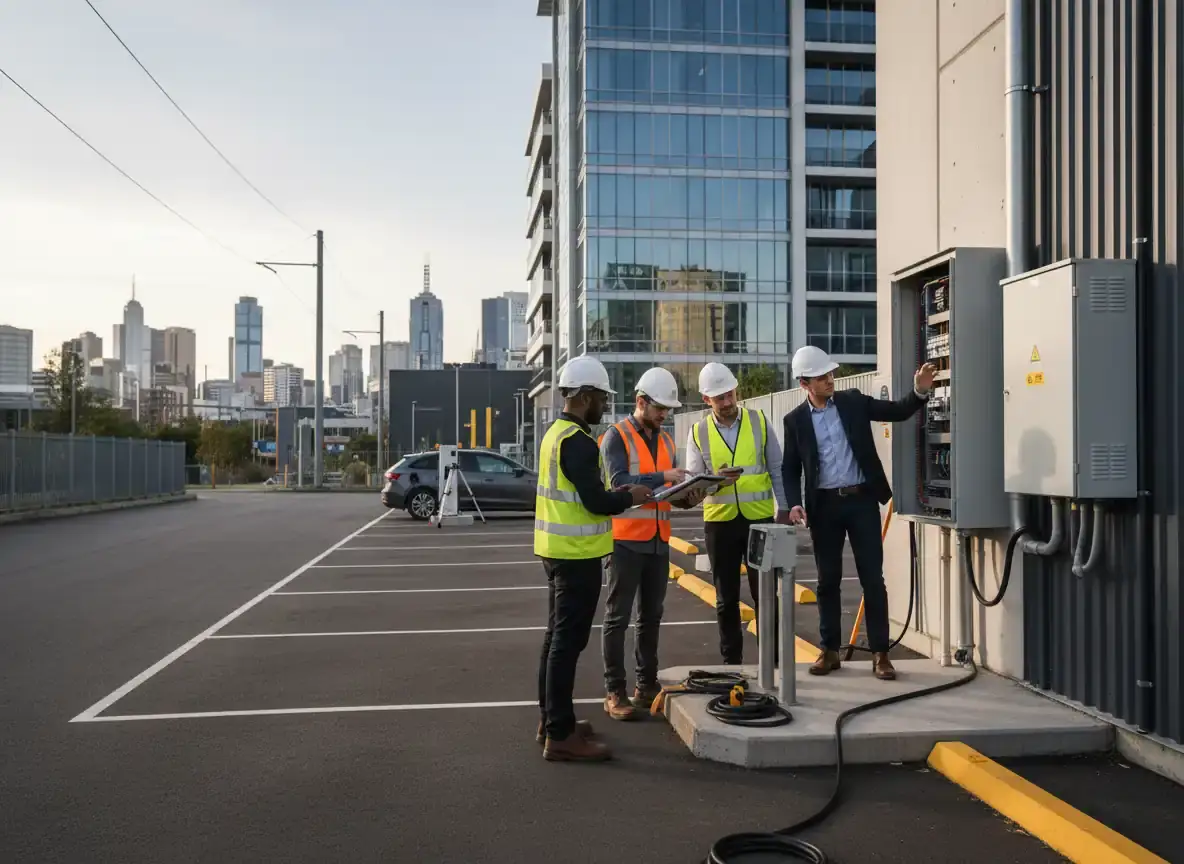
An EV charger site assessment looks at the supply, the board, the cable route and the parking spot before anything is installed. It is the right choice when you have an older home, a tricky layout or questions about solar or three-phase power.
Paperwork to expect once the job is finished
In Victoria, the electrician who does the work must give you a Certificate of Electrical Safety covering the installation. Where the job counts as prescribed electrical work, an independent Licensed Electrical Inspector must check it before it is energised. Because a charger job is electrical work only, it does not need a major domestic building contract, but the work must still be carried out with proper care, skill and suitable materials. Keep your certificate with your home records.
Deciding on your next step
Before choosing a service, check whether your supply is single or three-phase, take note of your switchboard's age and decide where the charger will be mounted. With those three checks done, you can pick the service that fits, then request a quote here and a licensed and insured local contractor can follow up.