What changes by suburb
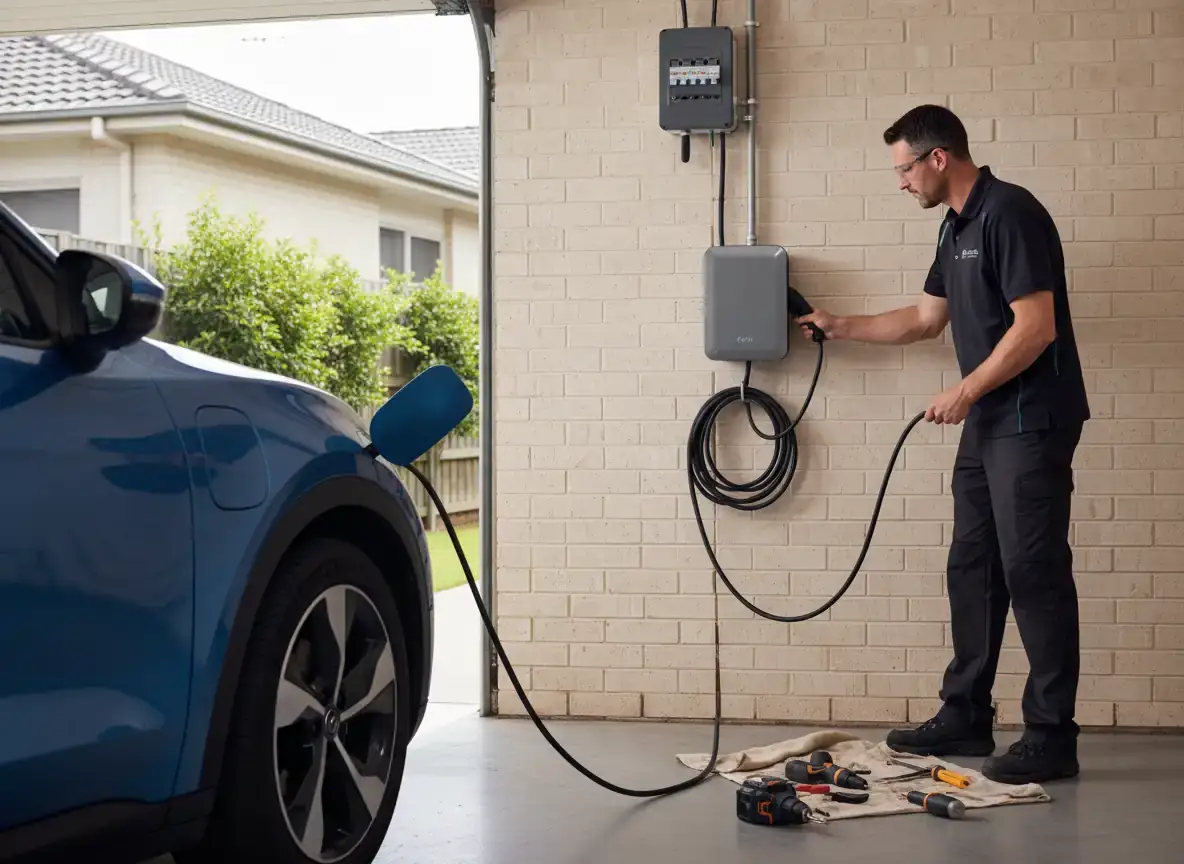
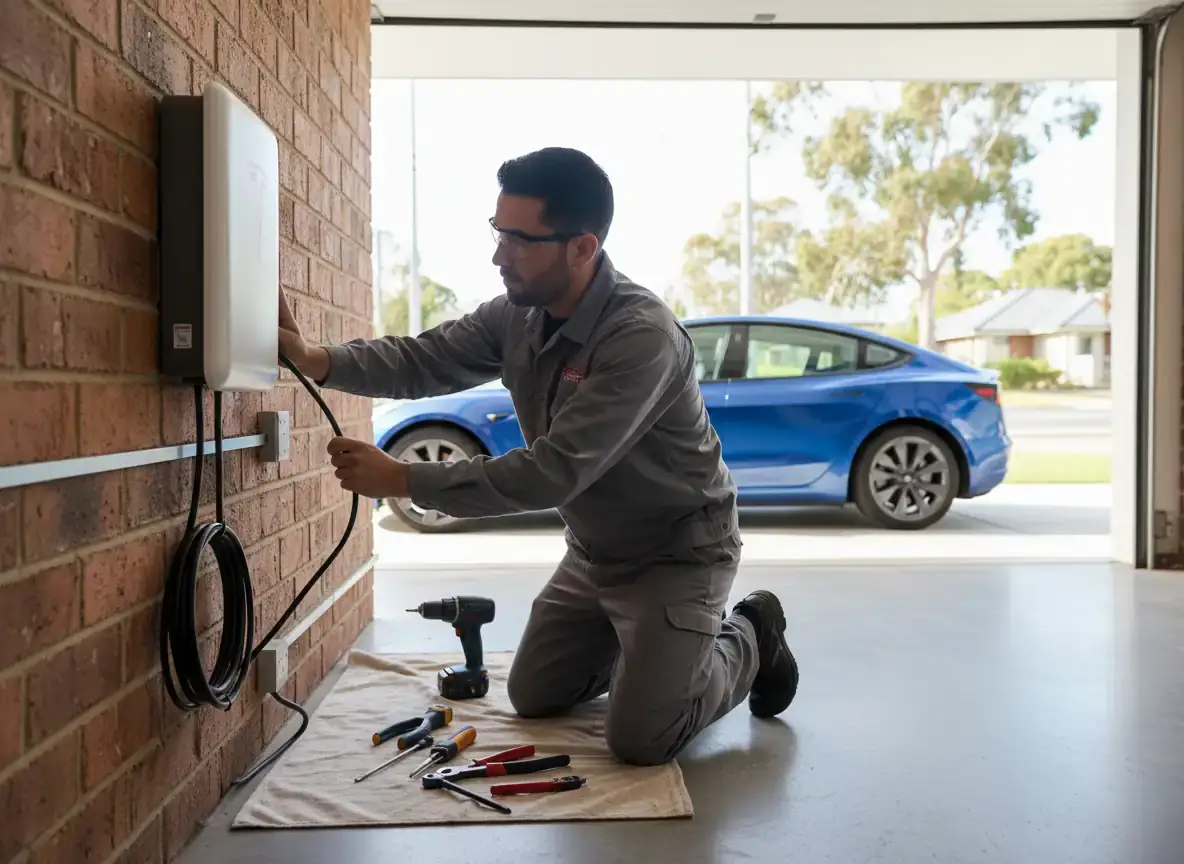
Most home chargers are wall units that need their own circuit back to the switchboard. Fitting one is simple or involved depending on the property around it, so the type of homes in your area is a better guide than the postcode.
Older homes in established suburbs
Period and post-war houses in the inner east often still have their original or partly upgraded switchboards. A board without spare capacity or modern safety switches may need work before a charger can go in, which is why an EV switchboard upgrade sometimes comes up in leafy, established streets. Long cable runs to a rear garage or a laneway carport can also add to the job.
Newer houses in growth areas
Homes in the newer estates to the west, north and south east usually have more modern boards and a garage built onto the house. That often means a shorter, tidier installation. It is still worth checking whether the home has single or three-phase power, because that decides which chargers make sense and how fast they can charge.
Apartments and townhouses
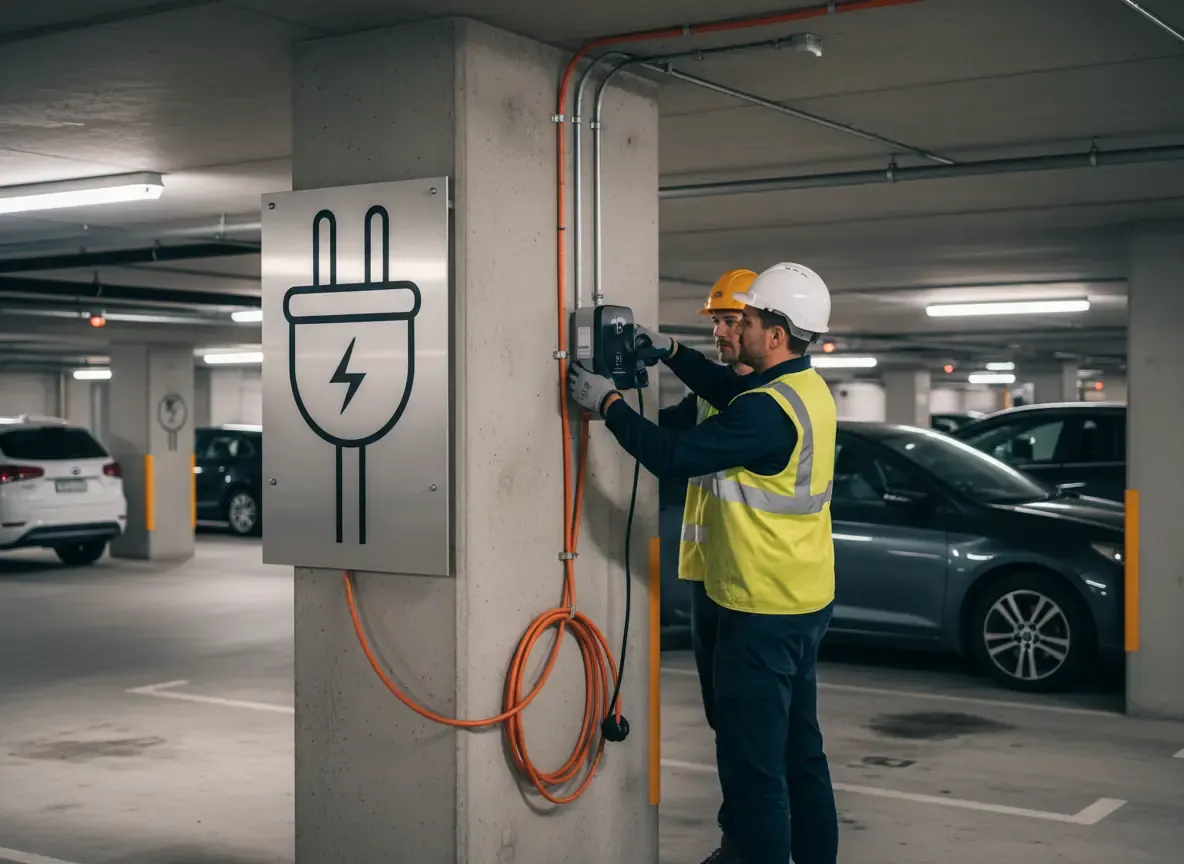
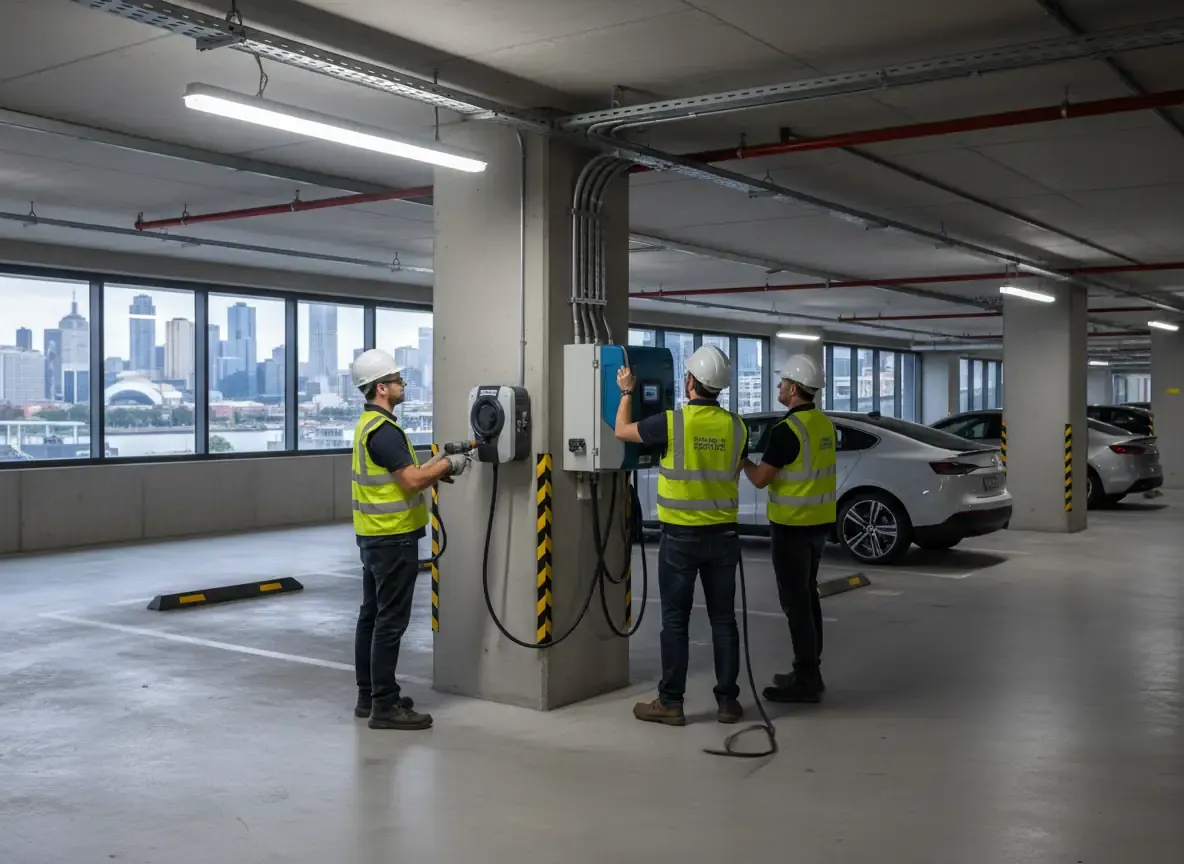
Where parking sits in a shared basement or car park, the electrical supply usually belongs to the building rather than to you. Talk to your owners corporation early about approval, metering and where a charger can be mounted. Apartment installations take more planning than a freestanding house, so allow time for that conversation.
Bayside and peninsula homes
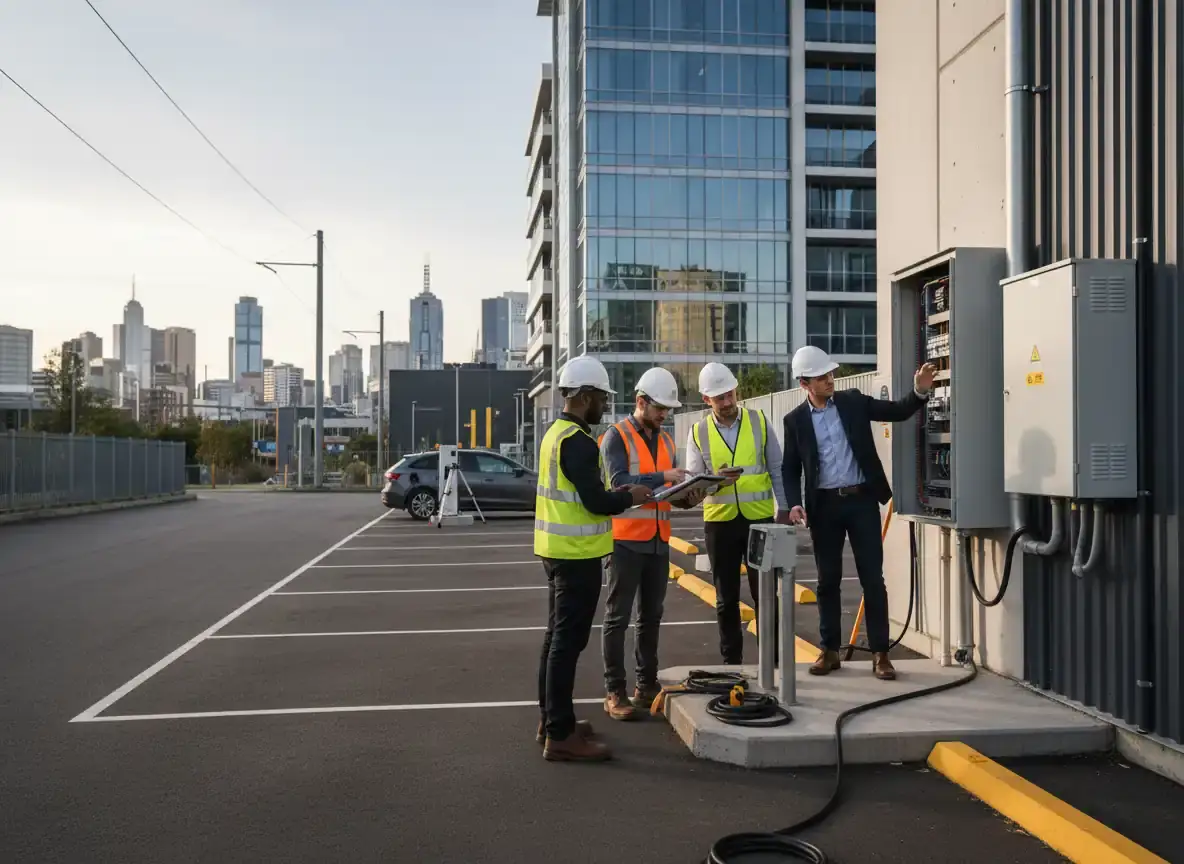
Near the water, salt air is harder on outdoor equipment. If your charger will be mounted on an exposed carport or driveway wall, ask about weather rated enclosures and placement that keeps the unit out of direct spray and rain.
Homes with solar panels
Plenty of Melbourne roofs already carry solar. A solar EV charger setup can use daytime generation to top up the car, which suits households where the car is home during the day. If you have panels, note the inverter brand and system size so any charger can be matched to it.
Every installation finishes the same way
Whichever suburb you are in, the electrical work on a home charger should be signed off with a Certificate of Electrical Safety, and you should receive a copy. Keep it with your home records, since it shows the installation was done and certified properly.
Before you choose a charger for your home
Take a look at three things that shape the job anywhere in Melbourne:
- Your switchboard: take a photo of it with the cover open and note any labels.
- Your parking spot: work out roughly how far it is from the switchboard and whether the wall is inside or outside.
- Your power supply: check a recent bill or the meter box to see whether the home is single or three-phase.
With those answers you can compare charger options sensibly. Use them to compare options for your suburb, then request a quote here and a licensed and insured local contractor can follow up.